Safe and Level Pathways That Handle Daily Foot Traffic
Sidewalks in Topeka for uneven or cracked walkways that create tripping hazards and water pooling
Concrete By Hampton installs safe, even concrete sidewalks for residential and commercial properties in Topeka and surrounding areas, serving homeowners and business owners who need a reliable walkway that drains properly and stays level under consistent use. You're dealing with a path that has settled unevenly, developed cracks wide enough to catch shoe heels, or slopes toward the building instead of away from it, which means water collects against the foundation after every rain and ice forms in dangerous spots during winter.
The installation begins with removing the old sidewalk if necessary, excavating to the proper depth, and grading the base to ensure the new slab drains away from structures and doesn't trap water in low spots. The crew sets forms to create straight edges and consistent width, then pours and levels the concrete using screeds and floats. Once the surface is smooth, it's finished with a broom texture to provide traction in wet conditions, and control joints are cut at regular intervals to manage any minor cracking that occurs as the concrete cures. The result is a clean, functional walkway that doesn't shift under foot traffic and doesn't require patching within the first several years.
If your current sidewalk has sections that rock underfoot or shows separation at the joints, reach out to discuss replacement options and project timing.
What Makes a Sidewalk Last Decades Without Major Repairs
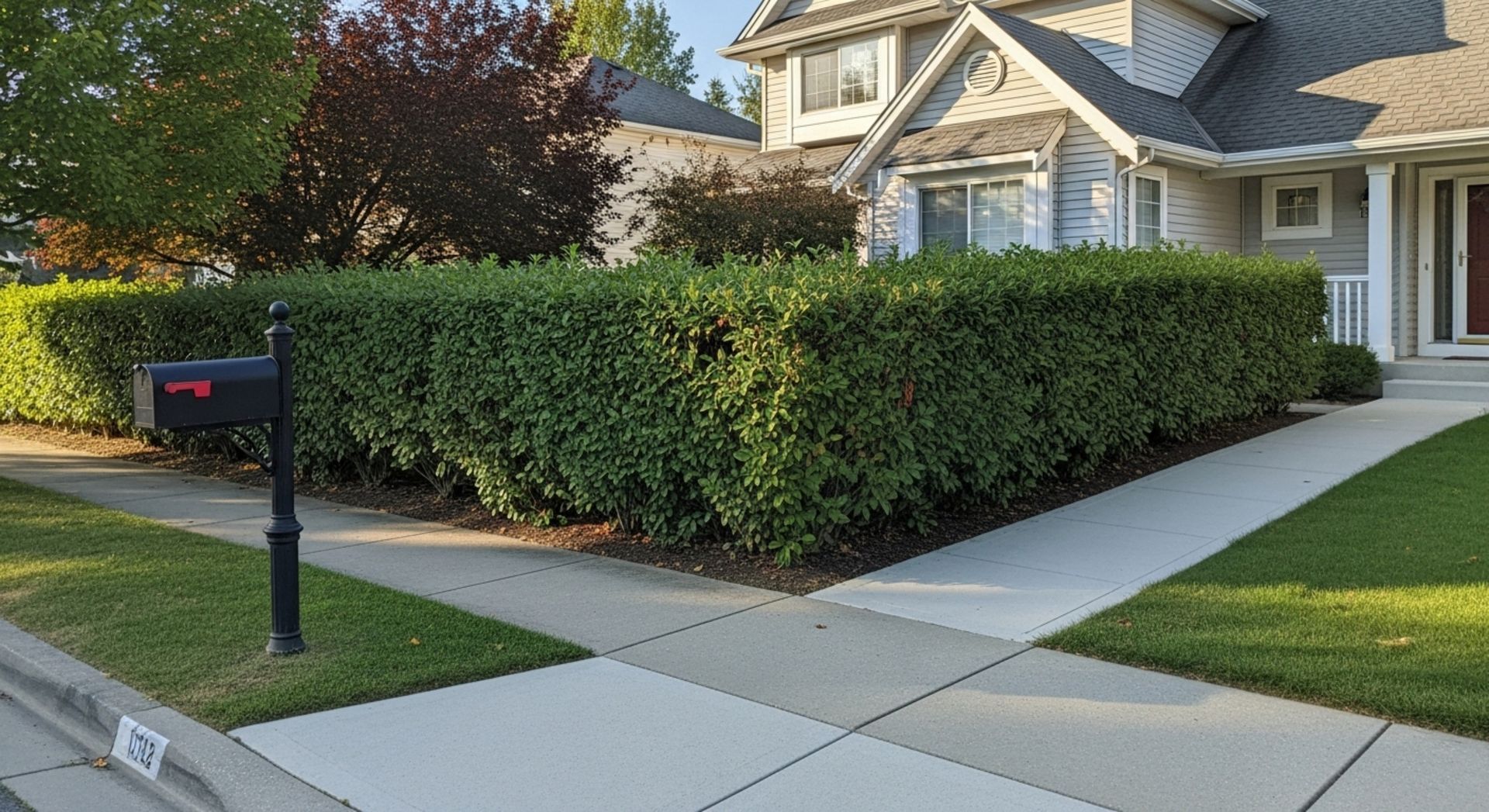
You'll notice that the new surface stays level where it meets driveways, steps, and curbs, and that water flows off to the sides instead of pooling in the middle. The concrete is poured at a consistent four-inch thickness, which provides the strength needed for foot traffic and occasional wheeled loads like strollers or hand trucks. Control joints divide the sidewalk into manageable sections, so if any cracking does occur, it follows the planned lines rather than zigzagging across the width of the path.
Concrete By Hampton sets the forms with attention to both function and visual appeal, which means the sidewalk runs parallel to property lines, follows existing landscaping, and meets public right-of-way requirements where applicable. The finished surface is textured enough to prevent slipping but smooth enough to walk on comfortably, and it requires no ongoing maintenance beyond occasional cleaning with a hose or broom.
The timeline from excavation to final finish typically runs three to five days, depending on the length of the sidewalk and site access. If the project includes removal of an old walkway or requires additional grading to correct drainage issues, the schedule may extend slightly. The concrete needs at least seven days to cure before it can handle concentrated loads like delivery carts or heavy planters.
Sidewalk Installation Questions From Property Owners
Property owners often want to know how the work is done, what affects the cost, and how long the finished sidewalk will hold up. Here are the questions that come up most often during planning.
How wide should a residential sidewalk be?
Most residential sidewalks are four feet wide, which allows two people to walk side by side comfortably. Commercial properties may require wider paths to meet accessibility standards.
What if the sidewalk needs to curve or follow a slope?
The crew sets flexible forms to create curved sections and adjusts the grade to follow natural slopes while maintaining proper drainage away from structures.
When can I walk on the new sidewalk?
Light foot traffic is usually safe after 24 hours, but you should avoid wheeled traffic or heavy loads for at least a week to allow the concrete to reach full strength.
How does freeze-thaw weather in Topeka affect sidewalks?
Proper base preparation and joint spacing reduce the risk of cracking caused by freeze-thaw cycles. Sealing the surface every few years provides additional protection against moisture infiltration.
Can the sidewalk be extended later?
Yes, additional sections can be poured and tied into the existing walkway using dowels or a keyed joint, though there will be a visible seam where the new concrete meets the old.
If you're ready to replace an aging sidewalk or install a new walkway on your property in Topeka, contact Concrete By Hampton at (785) 580-7858 to schedule a consultation and review the project details.