Building the Foundation Beneath Your Living Space
Concrete Basement Finishing in Topeka for supporting interior construction and long-term structural stability
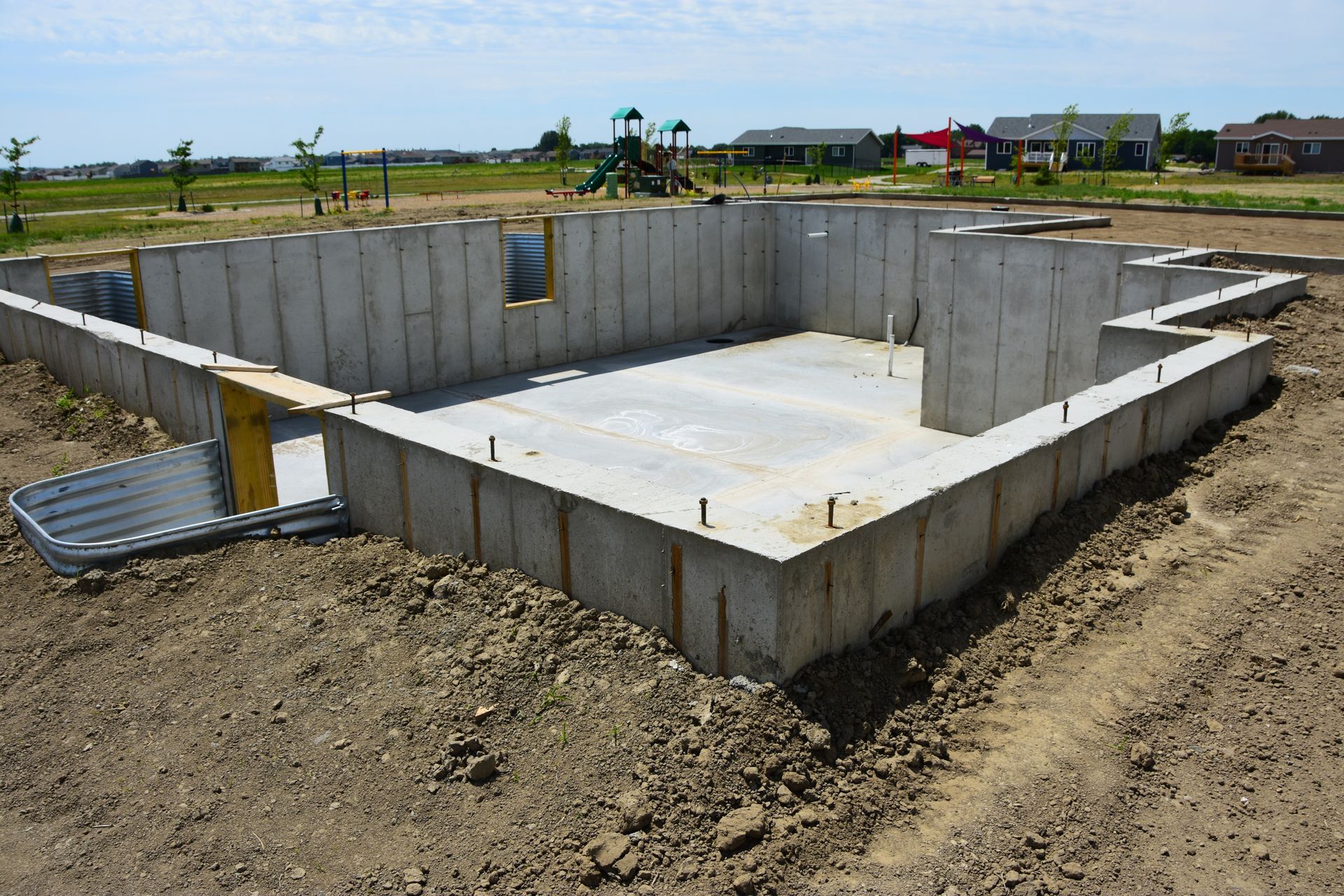
Concrete By Hampton provides concrete basement finishing in Topeka, creating the stable surfaces that support the rest of your basement project. Whether you are finishing a basement in a new home or preparing an existing lower level for interior work, the concrete elements set the stage for everything that follows. This work includes pouring and leveling floors, forming structural walls, and ensuring drainage functions as intended so your finished space remains dry and usable year after year.
The process begins with evaluating the existing structure or planned layout, preparing the subgrade, and placing reinforcement where load and moisture conditions require it. Forms are set to control thickness and elevation, and concrete is placed in sections that account for settling and curing time. Surface finishing varies depending on whether flooring will be installed directly or if the slab itself will serve as the final floor. In either case, the result is a smooth, level surface free of voids or pooling water.
If you are planning a basement remodel or working with a builder on new construction in the Topeka area, reach out to discuss the concrete work needed to move the project forward.
How the Work Supports What Comes After
You need a basement floor that stays flat under furniture, resists moisture intrusion, and provides a firm anchor for walls and fixtures. That requires proper grading beneath the slab, correctly mixed and placed concrete, and attention to joint placement so cracking does not compromise the surface. The work also includes coordinating with plumbing and electrical rough-ins so lines are routed before the pour and access points remain clear.
When the work is complete, you will walk across a solid floor that does not shift, flex, or collect water in corners. Walls built on top of it remain plumb, and finishes applied later stay intact because the base beneath them does not move. Concrete By Hampton focuses on clean execution and structural reliability, so the surfaces you depend on hold up under normal use and environmental exposure common in this region.
The scope does not include framing, insulation, drywall, or finish carpentry. It covers the concrete elements that make those tasks possible. If drainage or waterproofing systems are part of the plan, those are coordinated with the concrete work but may involve separate trades depending on the complexity of the project.
What to Expect During and After the Work
Most questions center on timing, preparation, and what happens once the concrete is in place. The answers depend on site conditions, the existing structure, and how the finished basement will be used.
How long does the concrete need to cure before other work can begin?
You can walk on the surface within a day or two, but full curing takes about a month. Framing and interior work can start sooner, usually within a week, as long as the slab has reached sufficient strength and moisture levels are appropriate for the next phase.
What preparation is required before the concrete is placed?
The subgrade must be compacted and graded to prevent settling, and any plumbing or utility lines that run beneath or through the slab need to be installed and inspected beforehand. Vapor barriers and insulation, if used, go in during this stage as well.
Why does the floor sometimes develop small cracks even when installed correctly?
Concrete naturally shrinks as it cures, and control joints are cut or formed to direct cracking into planned locations. Hairline cracks that follow these joints are normal and do not affect structural integrity or long-term performance.
What determines the thickness of the basement floor?
Load requirements, soil conditions, and whether the slab will support heavy equipment or standard residential use all factor into the design. Most basement floors in Topeka range from four to six inches thick, with reinforcement added based on span and expected loads.
When should waterproofing or drainage systems be addressed?
Before the concrete is placed. Exterior drainage, sump pits, and interior perimeter drains must be roughed in and tested so the slab can be poured around them without cutting or patching later.
If you are preparing a basement for interior finishing or working through the concrete phase of a new build, Concrete By Hampton is available to coordinate the work and answer questions specific to your project. Contact them to go over the scope and schedule.